From pre-op tests to the ride home, the weeks before an operation are full of small details. This step-by-step checklist helps surgery day go smoothly.
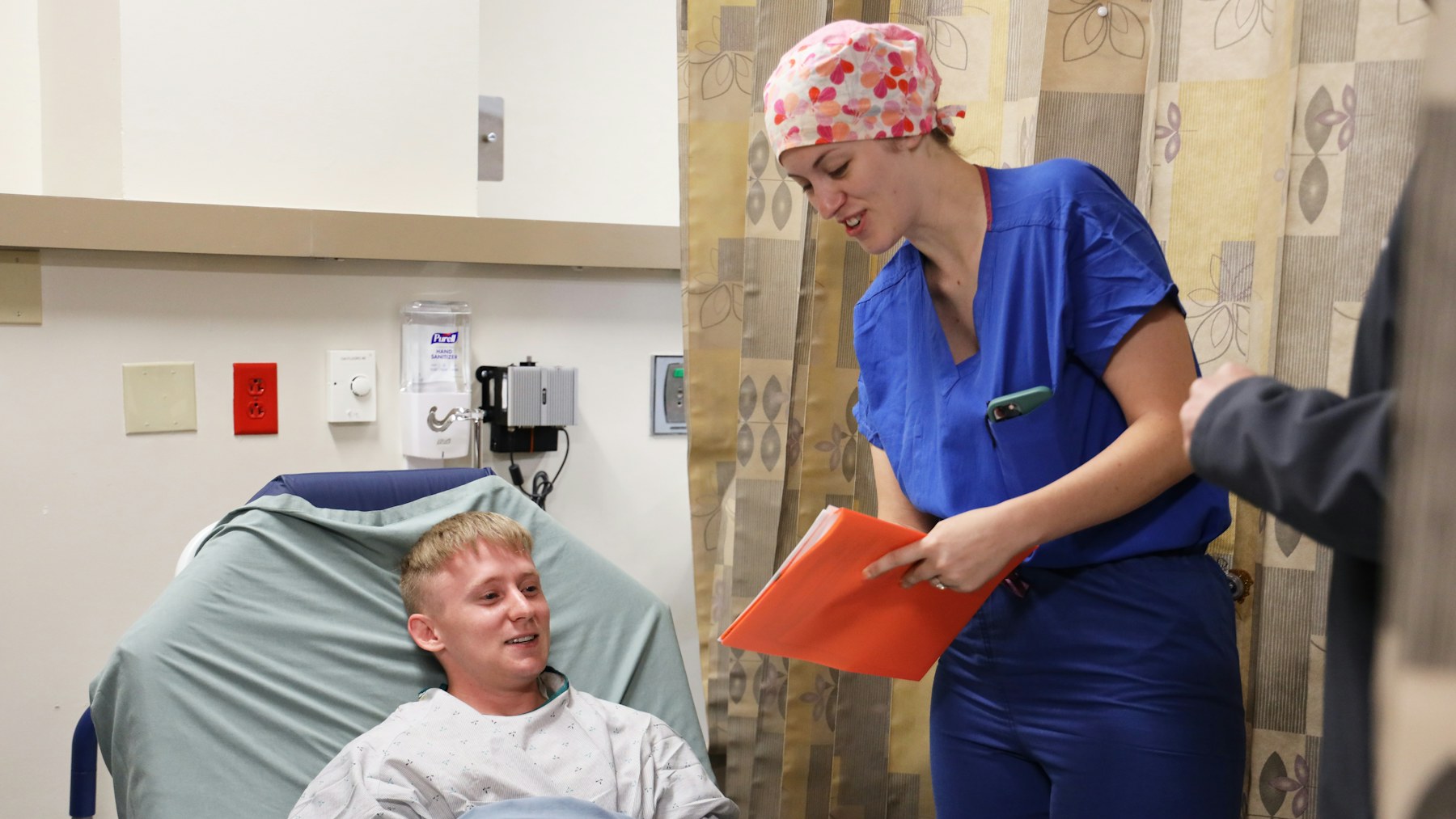
The surgery itself may take an hour. The weeks leading up to it can feel like a part-time job: test orders, forms, medication questions, fasting rules and the small matter of who is driving you home. Most of the stress people describe before an operation has little to do with the operating room and a lot to do with loose ends. A clear plan ties those ends up, so you can walk in on surgery day calm, prepared and ready to heal.
In brief
- Start preparing two to four weeks out: pre-op tests, a full medication list and questions for your surgeon.
- Never stop or change a medication before surgery unless your surgical team or doctor tells you to.
- Set up your home and a ride before the big day, so recovery starts on the right foot.
Why preparation matters before any operation
Whether you are scheduled for a knee replacement, a gallbladder removal or a minor outpatient procedure, your surgical team needs an accurate picture of your health. Blood pressure, blood sugar, heart rhythm, kidney function and the medicines you take can all affect anesthesia and healing. When that information is complete and on time, surgery is less likely to be postponed at the last minute.
Preparation also makes recovery easier. Patients who come home to a ready house, a filled prescription and a clear follow-up plan tend to feel more in control during those first few days.
Two to four weeks before surgery
Get your pre-operative evaluation
Many surgeons ask for a pre-op evaluation, sometimes called medical clearance, from your primary care doctor. Depending on your age, health and the type of procedure, this can include a physical exam, blood work, an EKG and sometimes a chest X-ray. Your surgeon or anesthesia team decides which tests are needed, so ask their office for the exact list and the deadline for results.
The usual way: you call your regular doctor’s office and the next opening is weeks away. Then the lab is across town, the EKG is at another location, and someone has to chase down the results and fax them to the surgeon before the deadline.
With your own doctor: you are seen the same or next day, and labs, EKG and X-ray are done in the same building. Your doctor reviews the results with you and sends them ahead to the surgeon, so nothing gets lost between offices.
Build one complete medication list
Write down every prescription, over-the-counter medicine, vitamin and supplement you take, with the strength and how often you take it. Include eye drops, inhalers, creams and anything you take only now and then. Bring copies to every pre-op appointment.
Some medicines may need to be paused or adjusted before surgery, such as blood thinners, certain diabetes medicines and some supplements. The right plan depends on you and the procedure, so never stop or change a medication on your own. Ask your surgical team and your doctor to agree on clear instructions, in writing if possible.
Write down your questions
- How long will the procedure take, and will I go home the same day?
- What type of anesthesia will I have?
- When must I stop eating and drinking, and may I take my morning medicines?
- What should I expect for pain, and how will it be managed?
- When can I drive, shower, return to work and exercise?
- Which warning signs after surgery mean I should call right away?
Need pre-op testing done quickly?
At Wave in Boynton Beach, labs, EKG and X-ray are in the same building, and your doctor can send results straight to your surgeon. Come in for a free tour and consultation, with no obligation to join.
The week before surgery
Take care of the paperwork
Confirm with your surgeon’s office that any insurance approval is in place, and ask what you will be expected to pay on the day. Bring your insurance card and photo ID. It is also a good time to make sure someone you trust knows your wishes, and to bring a copy of any advance directive or health care surrogate form you already have.
Set up your home for recovery
- Pick up any prescriptions you will need afterward before surgery day, so no one has to make a pharmacy run on the way home.
- Clear walkways of rugs, cords and clutter to lower your risk of a fall.
- Move everyday items to waist height, so you are not bending or reaching.
- Stock easy meals, water and comfortable, loose clothing.
- Set up a recovery spot with a phone charger, your medication list and your doctor’s number within reach.
Arrange your ride and a helper
After anesthesia or sedation, you will usually not be allowed to drive yourself home, and many centers will not release you to a taxi or rideshare alone. Line up a responsible adult to drive you and, if possible, stay with you for the first night. For families spread between Palm Beach and Boca Raton, it helps to settle this early rather than the night before.
Watch for signs of illness
If you develop a fever, cough, rash, cold symptoms or any new health problem in the days before surgery, call your surgeon’s office. They may want to check you or reschedule, which is far better than finding out on the morning of the operation.
The day before and the morning of
- Follow fasting instructions exactly. Your surgical team will tell you when to stop eating and drinking. These rules exist for your safety during anesthesia, so do not guess.
- Take only the medicines you were told to take, with only the small sip of water you were told you may have.
- Shower as instructed. Some patients are asked to use a special soap. Skip lotions, makeup, nail polish and jewelry if you are told to.
- Pack light: ID, insurance card, medication list, glasses or hearing aids with their cases, and loose clothes to go home in. Leave valuables at home.
- Arrive on time, with your driver’s phone number written down in case yours is put away.
The usual way: it is 9 p.m. the night before, you cannot remember whether you were supposed to take your blood pressure pill in the morning, and the surgeon’s office is closed until tomorrow.
With your own doctor: you send a text and hear back from a doctor who knows your history and already has your medication list and pre-op instructions on file.
After surgery: the first days at home
Recovery is where preparation pays off. Keep your discharge instructions in one place, take medicines as directed and keep every follow-up appointment. Rest, but move as much as your care team recommends, since gentle walking is often encouraged after many procedures.
Call your surgeon or doctor promptly if you notice increasing pain, redness, swelling or drainage at the incision, fever, nausea that will not settle, or trouble urinating. Call 911 for chest pain, trouble breathing, sudden weakness or confusion, or heavy bleeding.
Ongoing check-ins matter too. Wave offers post-operative follow-ups and a full physical therapy center on site, so rehab can happen in the same building as your doctor. If you also need to see a specialist, our concierge liaison handles the booking and sends records ahead. Our guide on how to prepare for a specialist appointment can help with those visits too.
The usual way: after discharge you are not sure who to call with a question, the surgeon or your regular doctor, and each one points to the other.
With your own doctor: one doctor stays involved from the pre-op exam through recovery, keeps one up-to-date medication list, and, with your permission, keeps family members informed.
A simple checklist to keep
- Pre-op evaluation and tests completed, results sent to the surgeon
- Complete medication list, with written instructions on what to pause
- Questions answered by the surgical team
- Insurance approval confirmed
- Prescriptions picked up and home set up for recovery
- Driver and overnight helper arranged
- Fasting and morning medicine instructions written down
- Follow-up appointments booked
Your own doctor, before and after surgery
Wave members can call, text or video their own doctor 24/7, weekends included. Medicare and most insurance are accepted for covered care. See our membership plans or visit our Boynton Beach office for a free consultation.
This article is general information, not medical advice for your situation. For a medical emergency, call 911.
Read next