Hurricane season runs through November 30. Here is how to stock, store and protect the medications you rely on before a storm heads for Palm Beach County.
When a storm cone starts drifting toward Palm Beach County, most people think about water, plywood and gas. The thing that causes real trouble a week later is often smaller: a pill bottle with three days left, a refill that can’t go through because the pharmacy lost power, or insulin sitting in a fridge that stopped running on day two. A little planning now, while the skies are clear, keeps a storm from turning into a medical problem.
In brief
- Aim to have at least a two-week supply of every daily medication before a storm arrives.
- Keep a written medication list and copies of key records in a waterproof bag.
- Plan ahead for anything that needs power or refrigeration, from CPAP machines to insulin.
Why medications deserve their own hurricane plan
Atlantic hurricane season runs from June 1 to November 30, and late-season storms are not unusual in South Florida. After a direct hit, ordinary routines can stop for days: pharmacies close or run on limited hours, roads are blocked, cell service is patchy and doctors’ offices may be shut. For someone who takes medicine for blood pressure, diabetes, heart rhythm, thyroid, seizures or mental health, a gap of even a few days can matter.
The good news is that almost all of the risk can be handled before the first watch is issued. Think of the checklist below as the medical half of your storm kit.
Your hurricane medication checklist
1. Count what you have, today
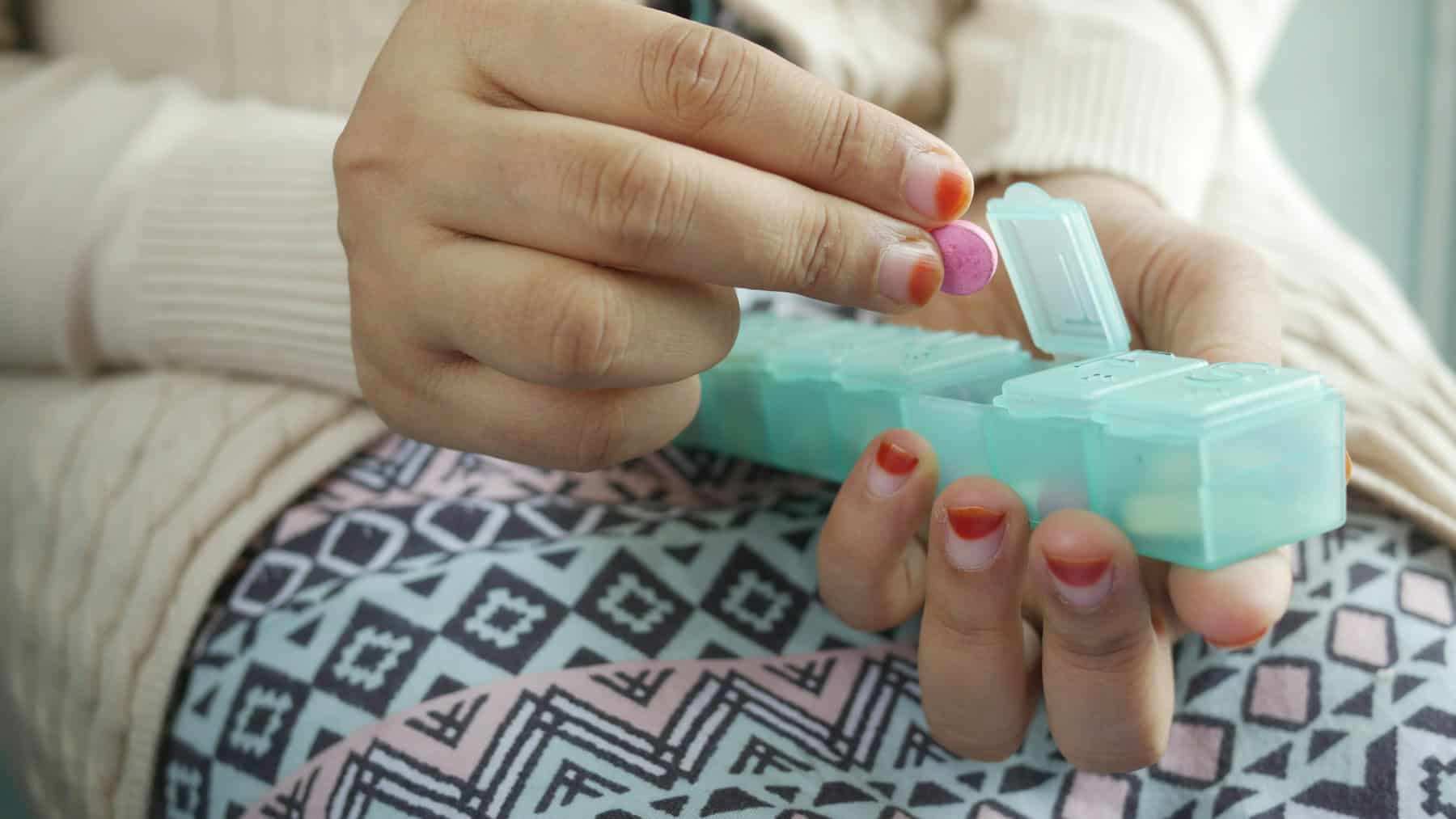
Go through every prescription and over-the-counter medicine you take regularly. Note how many days each one will last. Anything under two weeks is worth refilling now rather than waiting for a storm to show up in the forecast, when pharmacy lines get long.
2. Know your early-refill options
Florida law generally allows insured patients to refill prescriptions early when their county is under a hurricane warning or a declared state of emergency. Your pharmacist can tell you how that applies to your plan. Some medications, such as certain controlled substances, follow stricter rules, so it is better to ask your doctor about those well before storm season peaks.
3. Write down a complete medication list
If you end up in a shelter, at a relative’s home in another city or in an emergency room, a clear list saves time and prevents mistakes. Include:
- The name and strength of each medicine and how you take it
- Allergies and any past bad reactions
- Your main diagnoses, such as diabetes or heart failure
- Your doctor’s phone number and your preferred pharmacy
- Insurance or Medicare card details (a photo of the front and back works)
Keep a printed copy in a zip-top bag with your storm supplies and a photo of it on your phone.
Get storm-ready with your own doctor
Wave members can call, text or video their own doctor 24/7, and we keep one up-to-date medication list for you. Stop by our Boynton Beach office for a free tour and consultation, with no obligation to join.
4. Pack a “go bag” for your medicines
If you are told to evacuate, you may have minutes, not hours. Keep your medicines together in one waterproof pouch or small cooler so you can grab them in one move. Leave them in their original labeled containers when possible; it makes it easier for a pharmacist or doctor elsewhere to confirm what you take.
5. Plan for anything that needs cold storage
Insulin, some injectable medicines and certain eye drops need refrigeration. Read the package insert now so you know how long each can safely stay at room temperature, because that limit varies by product. If the power goes out, keep these items in a cooler with ice packs, but do not let them sit directly on ice or freeze. Medicine that has frozen or been left in a hot car should be checked with a pharmacist before use.
6. Think about equipment that runs on electricity
Oxygen concentrators, CPAP machines, nebulizers and power wheelchairs all stop when the lights do. Ask your equipment supplier about backup batteries or portable oxygen. Palm Beach County also runs a special needs shelter program for residents who depend on electricity for medical equipment or need help with medical care; it requires registering in advance, so check with the county before a storm is on the way.
If you use a generator, run it outdoors and well away from doors and windows. Carbon monoxide poisoning after hurricanes is a real and preventable danger. Never run a generator inside a home or garage.
What this looks like in real life
Here are a few common storm-week situations, and how they tend to play out with and without a doctor you can reach directly.
The short supply. A storm turns toward the coast on a Wednesday and you realize your blood pressure pills will run out Saturday. The usual way: you leave a refill request on a voicemail line and hope it is processed before the office closes for the storm. With your own doctor: you send a text, and the prescription goes to the pharmacy nearest you that is still open.
The evacuation. You drive to family in central Florida and discover your thyroid medicine is still on the kitchen counter in Delray Beach. The usual way: a walk-in clinic visit with a provider who has no records and may only offer a few days’ supply. With your own doctor: your medication list is already on file, and a new prescription can be sent to a pharmacy near where you are staying.
The cleanup. Two days after the storm, an older parent in Boca Raton gets a cut on the leg while hauling debris, or notices new swelling and shortness of breath in the heat. The usual way: hours in a crowded waiting room, or putting it off. With your own doctor: a call or video visit the same day to decide whether it can be handled at home, needs an office visit or calls for 911.
After the storm: health risks to watch for
The days after a hurricane bring their own risks, especially for older adults and anyone with a chronic condition:
- Heat and dehydration. Without air conditioning, South Florida heat can be dangerous. Drink water regularly and rest in the shade or a cooled space when you can.
- Cuts and wounds. Debris cleanup causes many injuries. Clean wounds well, watch for redness, warmth or pus, and ask your doctor whether your tetanus shot is up to date.
- Missed doses. If you ran out of a medicine or skipped doses, call your doctor before restarting rather than guessing.
- Stress and poor sleep. Both are common after a storm and can affect blood pressure and blood sugar. Reach out if you are struggling.
Chest pain, trouble breathing, signs of a stroke, confusion or a serious injury are emergencies. Call 911.
A quick pre-storm routine to save
- Refill anything with less than two weeks left.
- Update and print your medication list.
- Pack medicines and a copy of the list in a waterproof bag.
- Check storage rules for anything refrigerated and have a cooler ready.
- Charge backup batteries for medical devices and confirm your power plan.
- Save your doctor’s number and share your plan with family.
If you look after a parent or relative, it helps to walk through this list with them. Our guide to choosing a concierge doctor for an aging parent covers how to stay involved in their care, and for people managing ongoing conditions, our chronic disease management and diabetes care pages explain how we stay on top of medications year-round. You can also read more about prescription refills at Wave.
A doctor you can reach before, during and after a storm
With a Wave membership, you can reach your own doctor any time, weekends included, and prescriptions are sent to your nearest pharmacy. With your permission, we can also keep family members informed. Come see our Boynton Beach office and ask your questions in a free consultation.
Storms are part of life in Palm Beach County. Running out of the medicine that keeps you well does not have to be. Spend twenty minutes on this checklist now, and you will have one less thing to worry about when the next forecast cone points our way.
This article is general information, not medical advice for your situation. For a medical emergency, call 911.
Read next