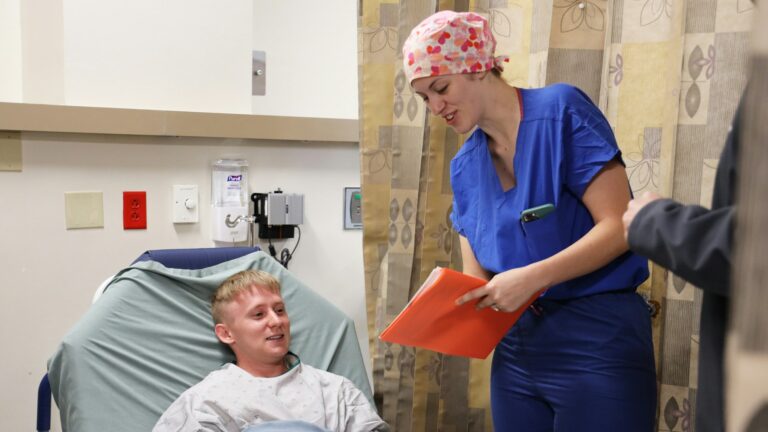
A month before your flight is the time to sort out vaccines, prescriptions and coverage. Here is what Palm Beach County travelers should check before heading abroad.

The flights are booked, the hotel is confirmed and the itinerary is printed. What usually gets left to the last week is the part that matters most if something goes wrong: your health plan for the trip. For Palm Beach County travelers heading to Europe, the Caribbean or farther this winter, a little preparation a month or so ahead can turn a medical surprise abroad from a crisis into an inconvenience.
In brief
- Start about four to six weeks before you leave, especially if you may need vaccines.
- Pack medications in original labeled containers in your carry-on, with extra days’ supply.
- Know how you’ll get care abroad, and check whether your coverage works outside the U.S.
Why a pre-trip check is worth it
Travel puts the body under stress in ways we rarely think about: long hours sitting still on a plane, time-zone changes, unfamiliar food and water, heat or altitude, and a lot more walking than usual. For a healthy 40-year-old that may mean nothing more than a rough first day. For someone managing blood pressure, diabetes, a heart rhythm problem or a recent surgery, those same stresses can be a bigger deal.
A pre-travel visit gives your doctor a chance to look at where you’re going and what you’ll be doing, and to flag anything worth planning for. Many vaccines need time to take effect, and some are given as a series, which is why the usual advice is to book that visit at least a month before departure.
Four to six weeks out: the medical to-do list
1. Book a pre-travel visit
Bring your itinerary: countries, cities, rural areas, cruises, hiking or diving plans. These details shape the advice you get. Ask about:
- Vaccines. Make sure routine vaccines are current, and ask whether your destination calls for others. A few countries require proof of certain vaccines to enter.
- Destination risks. Some regions carry risks from mosquitoes, food and water, or altitude that are worth discussing ahead of time.
- Your conditions. If you have heart, lung or kidney disease, diabetes, or a weakened immune system, ask what to watch for and when to seek care while you’re away.
- Long flights. Ask whether you’re at higher risk for blood clots and what precautions make sense for you.
2. Get ahead on prescriptions
Running out of a daily medication overseas is one of the most common and most avoidable travel problems. Request refills early so you have enough for the whole trip plus a few extra days in case of delays. If one of your medications is a controlled substance, ask your doctor whether you need extra paperwork, because some countries restrict medications that are routine here.
3. Check your coverage
Original Medicare generally does not cover care you receive outside the United States, and many private plans have limits abroad. Call your plan or check your policy before you go, and consider whether travel medical insurance or medical evacuation coverage makes sense for your trip.
Planning a trip this season?
Wave members can see their doctor quickly before they leave, get prescriptions sorted and leave with a personal travel kit for trips abroad. Tour our Boynton Beach office and see how it works.
The week before: pack your health documents
If you get sick in another country, the doctor in front of you won’t have your records. A short packet you can hand over saves time and avoids mistakes. Keep a paper copy in your carry-on and a photo of each page on your phone:
- A current medication list with each drug’s generic name, strength and how often you take it. Brand names often differ from country to country, so the generic name matters.
- Allergies, especially to medications.
- A one-page health summary: diagnoses, past surgeries, and any implanted devices such as a pacemaker or joint replacement.
- Recent results if relevant, such as a recent EKG for heart patients.
- Your doctor’s contact details and an emergency contact back home.
- Insurance cards and your travel insurance policy number and assistance phone line.
If you already keep a medication and document list for hurricane season, you’re halfway there. Our hurricane medication checklist walks through the same basics.
Packing medications the smart way
- Carry-on, not checked bags. Luggage gets delayed or lost; your medications shouldn’t be.
- Original labeled containers. They help at security and customs and show the medication is prescribed to you.
- Bring copies of prescriptions or a letter from your doctor for injectable medications, needles or medical devices.
- Think about temperature. Some medications, like insulin, need protection from heat. Ask your pharmacist how to store yours while traveling.
- Plan for time zones. Crossing several time zones can shift your medication schedule. Ask your doctor ahead of time how to time yours, rather than guessing on the plane.
A basic travel health kit
A small kit covers the minor problems that otherwise send you hunting for a pharmacy in an unfamiliar city. Ask your doctor what belongs in yours based on your health and destination. Common items include bandages and antiseptic, sunscreen and insect repellent, hand sanitizer, a thermometer, and any over-the-counter remedies your doctor says are safe for you to use.
What it looks like: the usual way vs. with your own doctor
Refills before a long trip. The usual way: you realize ten days before a cruise that you’ll run short, call the office, wait for a callback and hope the refill clears in time. With your own doctor: you text a few weeks ahead, the prescriptions go to your nearest pharmacy, and your medication list is updated in the same step.
A question from abroad. The usual way: a fever starts in a hotel in Lisbon and you’re left searching online or sitting in a clinic where no one knows your history. With your own doctor: as a member you can call, text or video your doctor 24/7, weekends included, and talk it through with someone who knows your conditions and medications and can help you decide whether you need to be seen locally.
Coming home with a lingering problem. The usual way: you land in West Palm Beach still coughing and wait days or weeks for an appointment. With your own doctor: you’re seen the same or next day, with labs drawn right in the office and imaging in the same building if it’s needed.
While you’re away
- Get up and walk on long flights when it’s safe to do so, and stay hydrated.
- Follow local advice on food and water safety, and wash or sanitize your hands often.
- Protect yourself from sun and heat, which can be stronger than you expect even coming from South Florida.
- Know the local emergency number for each country you visit and where the nearest hospital is.
- For chest pain, trouble breathing, signs of stroke or a serious injury, get emergency help right away. Don’t wait to call home first.
When you get back
Most travel illnesses show up during the trip, but some appear days or weeks later. If you develop a fever, a rash, ongoing diarrhea or a cough after returning, tell your doctor where you traveled. That detail can change what they look for.
Whether you live in Boynton Beach, Delray Beach, Boca Raton or Palm Beach, it helps to have a doctor who already knows you before you go and can see you quickly when you return. Learn how concierge medicine works, compare our membership plans, or read about virtual visits you can use from anywhere.
Travel with your doctor a text away
Wave members reach their own doctor 24/7 by call, text or video. Concierge membership is $2,500 per member, billed every 6 months, and Wave accepts Medicare and most insurance for covered care. Come in for a free tour and consultation, with no obligation to join.
This article is general information, not medical advice for your situation. For a medical emergency, call 911.
Read next